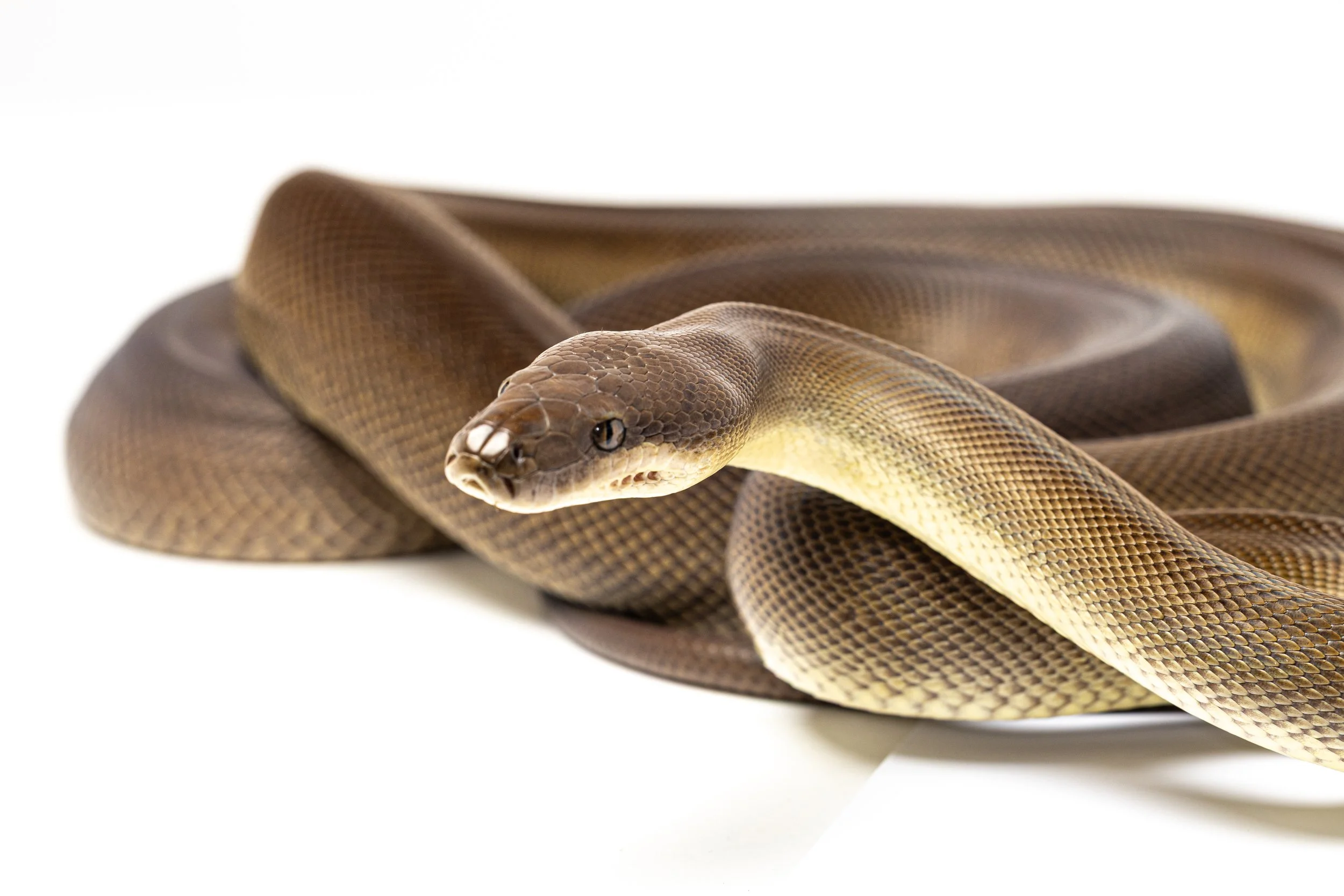
Secondary School Incursions
"Young people: They care. They know that this is the world that they're going to grow up in, that they're going to spend the rest of their lives in. But, I think it's more idealistic than that. They actually believe that humanity, human species, has no right to destroy and despoil regardless."
- David Attenborough
Science comes alive when students get to see, touch and experience it firsthand
- and as the world around us changes rapidly, this is more important than ever.
Aussie Wildlife Experiences aims to bring science out of the textbook and into the real world right before your students’ eyes!
Our secondary school programs immerse students in the incredible world of Australian wildlife whilst remaining firmly rooted in the current curriculum. Our tertiary-qualified and experienced presenters blend scientific accuracy with engaging discussion (and even a bit of humour!) to help demonstrate the classroom topics they’ve been learning about, and each species displayed has been carefully selected to provide the best examples and discussion possible for your custom-tailored experience!
By connecting theory with living, breathing examples, we aim to make abstract concepts tangible, engaging, and relevant. Whether students are comparing anatomical features, exploring various evolutionary pathways, or investigating ecological relationships between our native species, our programs will help them to gain a deeper understanding as they observe and discuss the creatures that demonstrate these concepts every day.
Designed to complement classroom learning, our programs challenge students to think critically and ask questions as they observe science in action. Our educational, interactive and thoroughly entertaining presentations will provide up-close, unforgettable learning experiences that help students understand the topics in ways that can’t be achieved through diagrams and photographs alone.
Aussie Wildlife Experiences will leave your students with a deeper appreciation of Australia’s amazing wildlife, and the science that explains it!
Levels 7 and 8
Victorian Curriculum F-10
Version 2.0
There are similarities and differences within and between groups of organisms living on Earth; the development and use of classification tools, including dichotomous keys, help order and organise human understanding of the diversity of life - VC2S8U01
We love showing audiences a diverse range of Australian wildlife, and for Levels 7 and 8, the diversity of species we can discuss becomes a major win for you and your students. We will focus on Linnaean classification and discuss the groups each species belongs to as we work our way down the taxonomic hierarchy, the features of each species that assist us in classifying them in this way, and how the advances of modern science can lead to changes in a species’ classification.
The structure of cells, tissues and organs in a plant an animal organ system are related to their function; plant and animal organ systems enable survival off an organism - VC2S9U03
The way an animal’s internal body systems work can be vastly different to our own, and those of other species, in order to help them survive and thrive in the environment in which they live. How do birds breathe properly whilst flying? How do stick insects digest eucalyptus leaves without being poisoned? How do arid species survive when there’s no surface water available? We will compare different internal systems including respiratory, cardiovascular, digestive, nervous and reproductive systems of some of our amazing native animals. Our tertiary-qualified presenters will highlight the similarities and differences in the body systems, structures and physiology across a range of species, taking relatively information-heavy topics and making them as engaging and entertaining as possible for students and teachers alike!
Matter and energy flow through ecosystems and can be represented using models, including food webs and food pyramids; populations will be affected by changing biotic and abiotic factors in an ecosystem including habitat loss, climate change, seasonal migration and introduction or removal of species - VC2S9U04
Australian wildlife is famous for being so incredibly different to the rest of the world - and this is also true of our ecosystems. Unique species with complex relationships all surviving in some of the most incredible habitats on earth. For this topic, we will investigate the way energy moves through the ecosystem, the ecological roles of a range of different native species, where they sit in the food chain, the biotic and abiotic factors that affect them, and some very unique relationships they have with other species around them.
Levels 9 and 10
Victorian Curriculum F-10
Version 2.0
The structures of reproductive cells and organs in plants and animals are related to their functions; processes of sexual and asexual reproduction enable survival of a species - VC2S10U01
The theory of evolution by natural selection includes the processes of variation, isolation and adaptation and is supported by evidence including the fossil record, biogeography and comparative embryology; the theory explains past and present biodiversity and demonstrates how all organisms have some degree of relatedness to each other - VC2S10U05
Aussie Wildlife Experiences can help take what seem like boring textbook terms and have them leap off the page and right into your students’ hands. For Levels 9 and 10, we’ll dive deep into evolution and genetics, and take a closer look at how our native species came to be. We’ll discuss the process of natural selection, different types of reproduction and reproductive strategies, the various pressures species face over time, and even take a look at the various ways we humans have impacted on evolution in modern times. Our friendly native animals help show your Year 9 and 10 classes real-world examples of everything they’ve been learning about!
VCE
Unit 1 - How do organisms regulate their functions?
Area of Study 2: How do plant and animal systems function?
The way an animal’s internal body systems work can be vastly different to our own, and those of other species, in order to help them survive and thrive in the environment in which they live. How do birds breathe properly whilst flying? How do stick insects digest eucalyptus leaves without being poisoned? How do arid species survive when there’s no water around? We will compare different internal systems including respiratory, cardiovascular, digestive, nervous and reproductive systems of some of our amazing native animals. Our tertiary-qualified presenters will highlight the similarities and differences in the body systems, structures and physiology across a range of species, taking relatively information-heavy topics and making them as engaging and entertaining as possible for students and teachers alike!
Unit 2 - How does inheritance impact on diversity?
Area of Study 2: How do inherited adaptations impact on diversity?
Every part of an organism, every internal process and even the way it behaves are all the results of millions of years of evolution. In this program, we’ll investigate the three different types of adaptation that allow a species to survive in an ecosystem, using our friendly wildlife as real-life examples of a huge range of body structures, behaviours and physiological processes all working together. Your students will discuss different strategies our species use to overcome pressures such as water availability, digesting difficult foods, as well as how they approach things such as social hierarchies and reproduction. They’ll also learn about some of the amazing relationships our species have, as they are all interconnected within their ecosystem.
Unit 4 - How does life change and respond to challenges?
Area of Study 2 - How are species related over time?
It’s time to dive deep into evolution and genetics, and take a closer look at how our native species came to be. We’ll discuss the process of natural selection, different types of reproduction and reproductive strategies. Students will also learn about the different types of evolution, and how the advancement of molecular biology has helped us determine the relatedness of species far more than just the physical features of an animal can. We’ll also discuss the various pressures species face over time, and even take a look at the various ways we humans have impacted on evolution in the modern era via environmental pressures and artificial selection.
Other Secondary Subjects
Outdoor Environmental Studies
Encouraging people to get outside and enjoy the wonders of Australia’s outdoor environments and the wonders of our native species and wild places is what we’re all about! Your students are already keen on learning about the great outdoors, so let us bring a slice of it into the classroom with a selection of amazing Australian wildlife. We’ll discuss the relationships each species has with the biotic and abiotic factors of its environment, each species role within its ecosystem, the effects of natural and human-induced changes on a species’ environment, and what we can do to get involved and protect our local species and the habitats they need to continue to survive well into the future. Students will be encouraged to join the conversation, discussing topics such as introduced species, habitat loss, degradations and fragmentation, and the changing relationship between humans and the environment from pre-colonisation through to the modern day and beyond.
Environmental Science
Australia is one of only seventeen countries worldwide that is described as being ‘mega diverse’. These countries account for more than 70% of the world's terrestrial and marine life, despite taking up only 10% of the earth’s surface - and yet, the average Australian can only name a handful of our native species. For your Environmental Science students, Aussie Wildlife Experiences will bring our diverse range of native wildlife right into the classroom, discussing their ecological roles, both natural and man-made threats to their survival, and the effects that losing these species could have on their ecosystem and landscape. We’ll discuss the changes in biodiversity that Victoria and Australia as a whole have experienced over time, the effects of human development and activity can have on biodiversity, and the ongoing effects of climate change on our delicate environments.
Our programs that suit Outdoor Environmental Studies and Environmental Science best include…
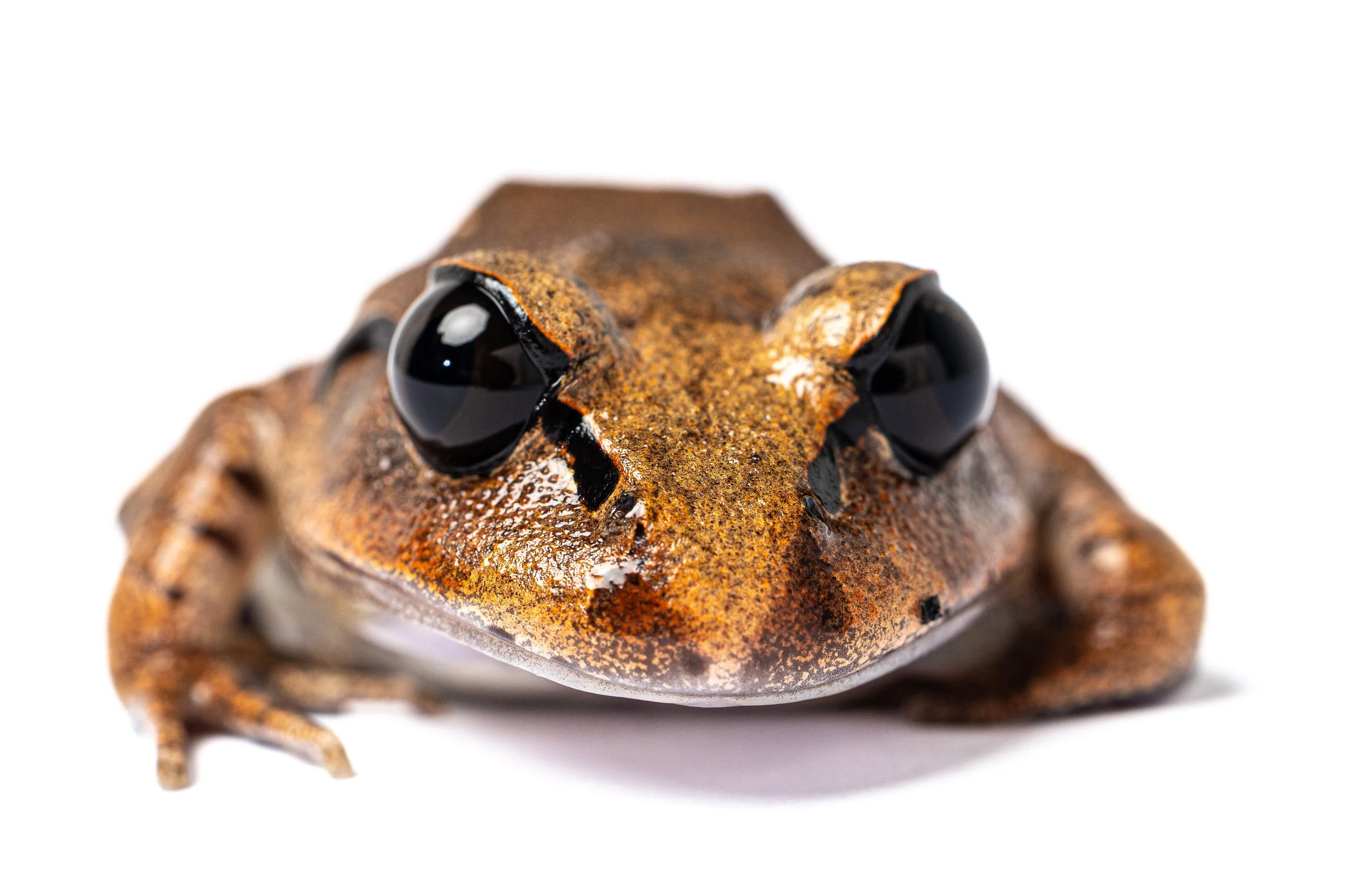
Wildlife of Victoria
Biodiversity in Our Backyard!
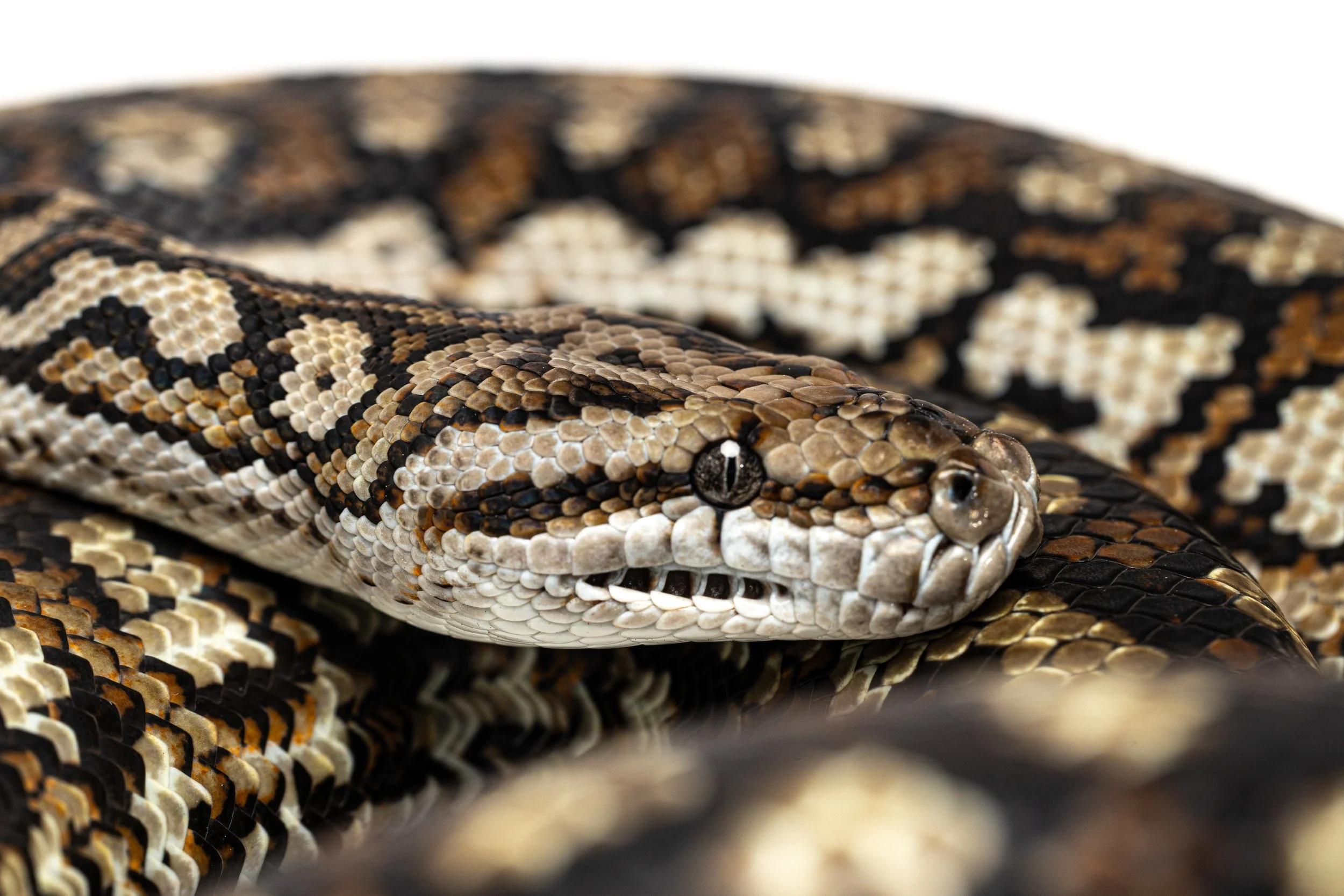
COMING SOON!
Freshwater Focus
Waterway Wonders!
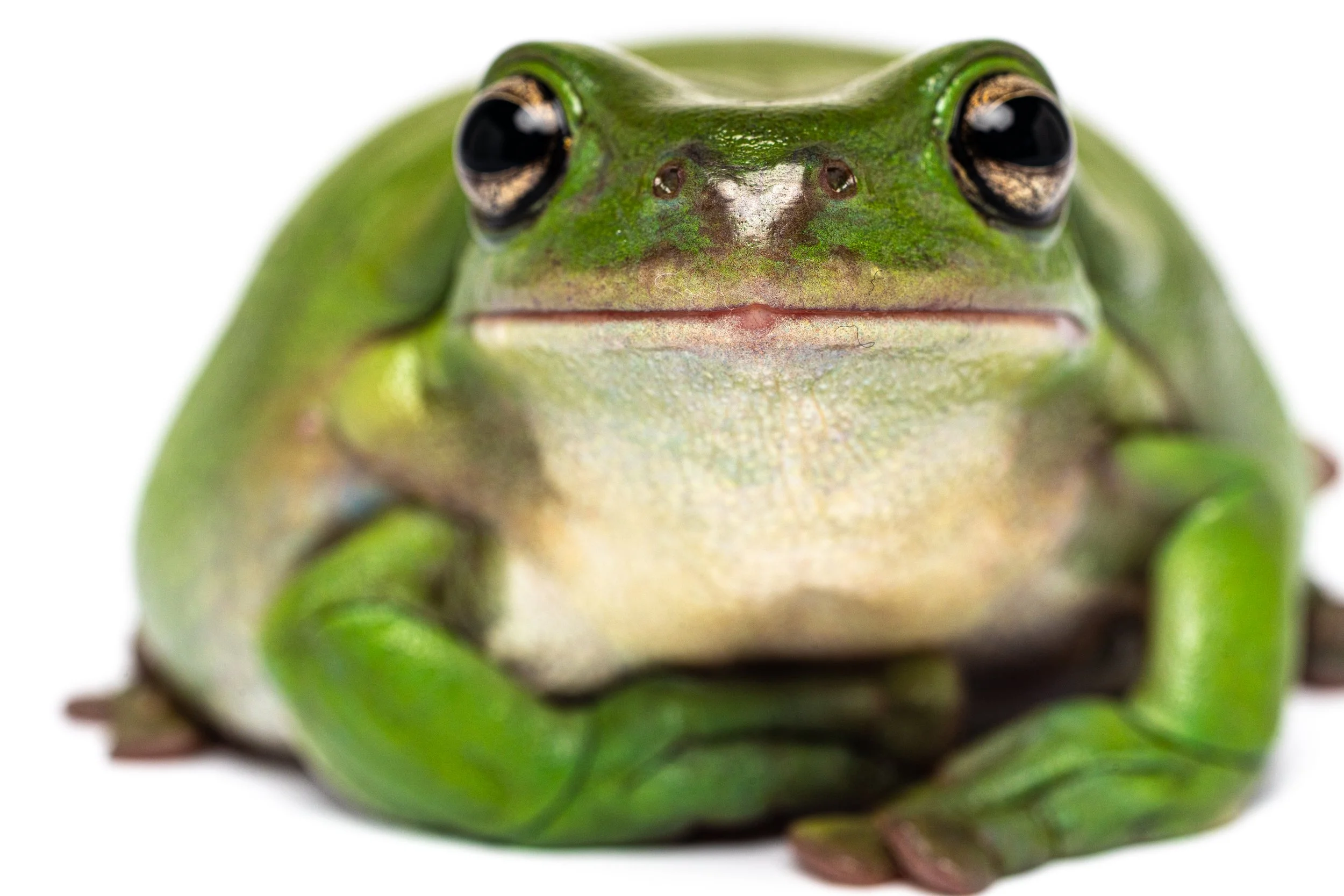
COMING SOON!
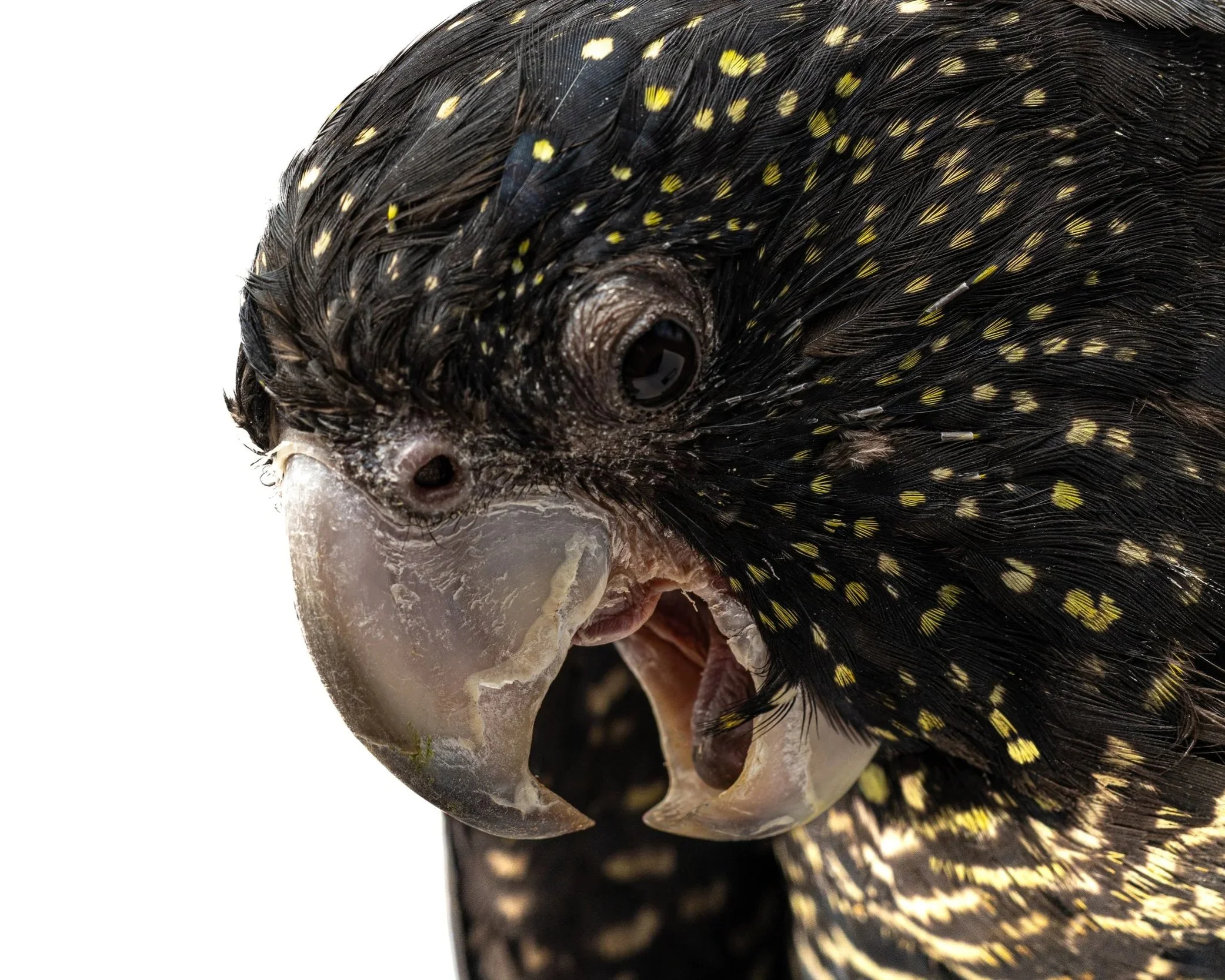
On The Brink
Threatened and Endangered Species!
Other Secondary Shows
Looking for an exciting addition to your Activities Week, Science Week, Open Day or school fete? Aussie Wildlife Experiences provides the exciting, engaging and educational experiences that will be the talking point amongst students, parents and teachers alike!
From a fun classroom activity to a stage show to wowing the crowds at your school fete, our energetic, educational and amazingly fun shows bring our audiences up close and personal with an amazing and diverse range of incredible invertebrates, mammals, birds and reptiles. We’ll help foster a connection between audiences young and old and the wonders of our native wildlife in a way that will continue to grow for a lifetime.
Want to give your students the chance to cuddle a friendly python, poke their tongue out at a lizard, meet an adorable sugar glider or even smile at a crocodile? Our Roving Wildlife gives everyone the chance to see, pat and hold friendly native animals, and provide photo opportunities to make sure everyone remembers this experience for many years to come - making it perfect for entertainment between stage shows at your Open Day, fete or festival.